
 English
 Views: 0 Author: Site Editor Publish Time: 2026-01-04 Origin: Site


Digital photo galleries are undeniably convenient. We carry thousands of memories in our pockets, accessible with a quick swipe. Yet, scrolling through a screen often lacks the emotional resonance of turning a physical page. There is a profound difference between viewing a pixelated image and holding a tangible photograph.
Creating a homemade photo album transforms scattered snapshots into a cohesive narrative. It allows you to curate your memories, add handwritten notes, and preserve family history in a format that stands the test of time. Whether you are crafting a wedding keepsake, a baby book, or a travel journal, a DIY paper photo album offers a level of personalization that mass-produced options simply cannot match.
If you are ready to move your memories off the cloud and onto the page, you likely have questions about where to begin. From selecting the right materials to understanding the chemistry of paper preservation, this guide answers the most common questions about crafting your own album.
The primary advantage of a DIY paper photo album is creative control. When you buy a pre-made album, you are limited to the manufacturer's design, page count, and pocket sizes. Making one from scratch allows you to dictate every element. You can choose the texture of the cover, the weight of the pages, and the binding method that best suits your aesthetic.
Furthermore, a homemade album is an heirloom in itself. The effort you put into cutting, pasting, and binding becomes part of the story. It is a labor of love that adds sentimental value beyond the photos inside. For many, the process of crafting is just as rewarding as the final product. It offers a quiet, tactile break from our screen-dominated lives, allowing you to slow down and truly appreciate the moments you are preserving.
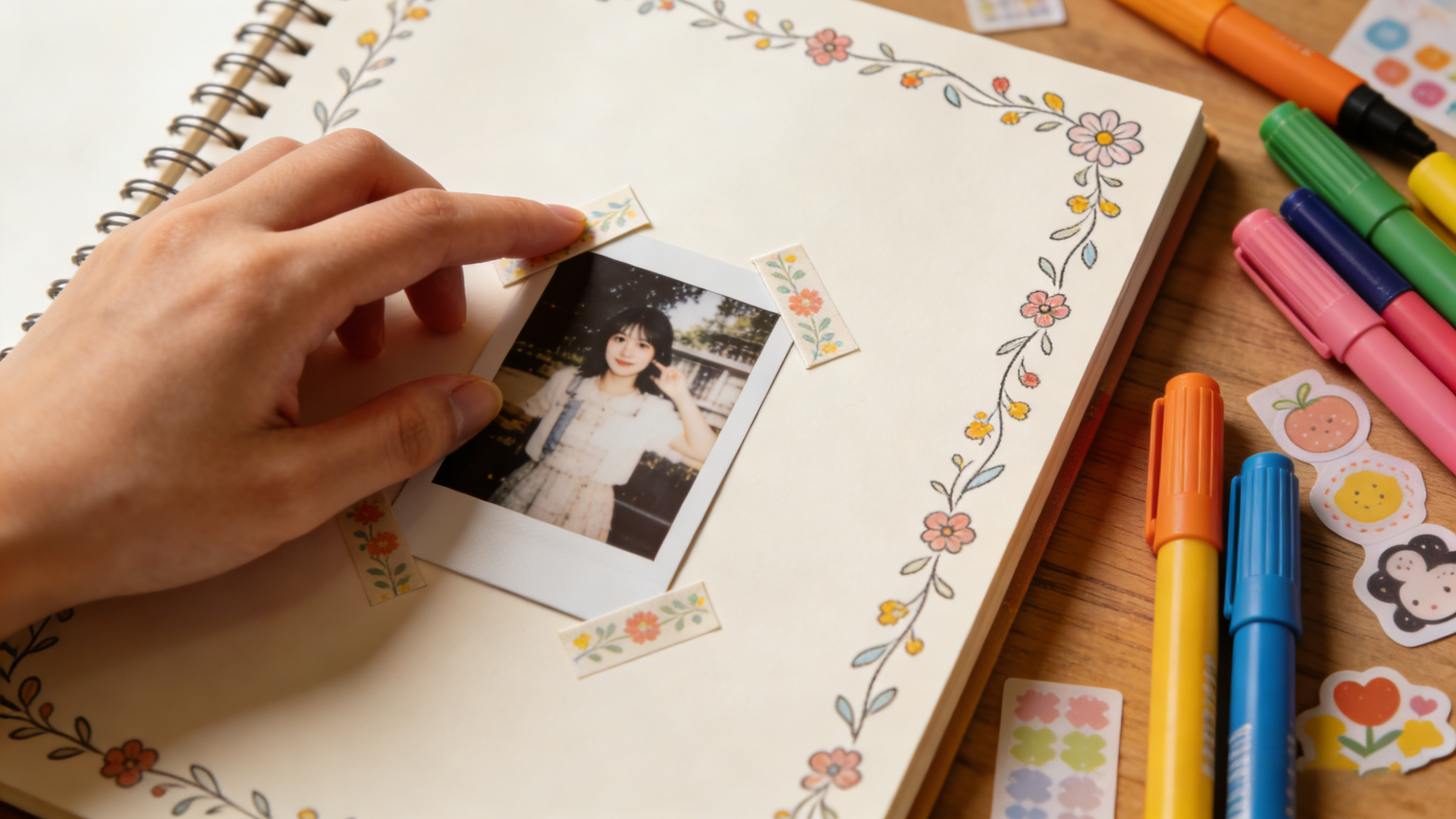
Selecting the right paper is arguably the most critical step in this process. Not all paper is created equal, and making the wrong choice can ruin your photographs over time. You want a material that is sturdy enough to support the weight of the photos and glue without buckling, yet flexible enough to turn easily.
Cardstock is generally the preferred choice for the internal pages of a paper photo album. It is thicker than standard printer paper but not as rigid as cardboard. A weight of around 65lb to 80lb (176gsm to 216gsm) provides a substantial feel. For a more rustic or vintage look, some crafters prefer Kraft paper, which offers excellent durability and a unique texture.
However, the most important factor isn't just thickness—it's chemistry. This brings us to the next crucial question regarding longevity.
If you have ever looked at an old newspaper or a cheap paperback book from decades ago, you have likely noticed the pages turning yellow and brittle. This is caused by acid present in the wood pulp used to make the paper. When photos come into contact with acidic paper, the acid migrates to the photograph, causing discoloration, fading, and deterioration.
To ensure your memories last for generations, you must use acid free paper photo albums. Acid-free paper has a neutral or basic pH (7.0 or higher). This chemical neutrality prevents the paper from aging prematurely and protects your photographs from chemical damage.
Here is a quick comparison of common paper types used in album making to help you decide:
Paper Type | Characteristics | Best Used For | Archival Quality |
|---|---|---|---|
Standard Printer Paper | Thin, often acidic, prone to wrinkling with glue. | Drafts, temporary notes. | Low |
Acid-Free Cardstock | Thick, durable, chemically neutral. | Mounting photos, main album pages. | High |
Kraft Paper | Brown, textured, high durability. | Rustic themes, travel journals. | Medium-High (if marked acid-free) |
Glassine Paper | Thin, translucent, smooth. | Interleaving sheets to protect photo faces. | High |
You don't need a professional bookbinding studio to create a beautiful result. A few high-quality basics will suffice.
Paper: As discussed, choose acid-free cardstock for your pages.
Photos: Printed on high-quality photo paper.
Adhesive: Never use rubber cement or standard school glue, as these can damage photos. Opt for photo corners (which allow you to remove photos later) or acid-free double-sided tape.
Binding Mechanism: You can use binder rings, ribbon, or screw posts.
Covers: Heavy chipboard or cardboard, which can be wrapped in fabric or decorative paper.
Tools: A ruler, a pair of sharp scissors, a hole punch, and a bone folder (for crisp creases).
1
If sourcing all these individual components sounds daunting, you might consider semi-DIY options. Manufacturers like Guangdong Heshan Boyili Stationery Factory produce high-quality album bases that are ready for customization. With over 30 years of experience in the industry, they specialize in producing diverse stationery items, including acid free paper photo albums and spiral-bound options. Starting with a professionally bound, high-quality base allows you to focus purely on the creative layout and decoration without worrying about structural integrity.
Once you have your materials, the assembly process is straightforward.
Step 1: Prepare the Pages
Cut your cardstock to the desired size. If you are folding large sheets in half to create signatures (groups of folded pages), use a bone folder to ensure a sharp, professional crease.
Step 2: Create the Hinge (If binding with posts or rings)
If you simply stack paper and bind it, the album will bulge open once you add photos because the photos add thickness. To prevent this, you need to create spacers or a "hinge" on the binding edge. This can be done by gluing narrow strips of cardstock between the pages at the spine edge to compensate for the thickness of the photos you will add later.
Step 3: Bind the Book
Punch holes along the edge of your stacked pages and covers. Thread your ribbon, binder rings, or screw posts through the holes. Secure them tightly, but leave enough room for the pages to turn freely.
Step 4: Layout and Mounting
Arrange your photos on the pages before gluing anything down. Leave space for captions and decorative elements. Once you are happy with the arrangement, secure the photos using your acid-free adhesive or photo corners.
When investing time into a project meant to last a lifetime, you want to ensure the materials are up to standard. When purchasing paper or pre-made album bases, look for certifications or clear product descriptions stating "acid-free," "lignin-free," and "archival quality."
Reputable manufacturers are transparent about their materials. For instance, Guangdong Heshan Boyili Stationery Factory emphasizes the use of eco-friendly and high-quality paper in their production lines. Their facility in Heshan City is equipped to handle specific OEM requirements, ensuring that whether you are buying a single custom album base or stocking up for a business, the paper quality supports long-term preservation.
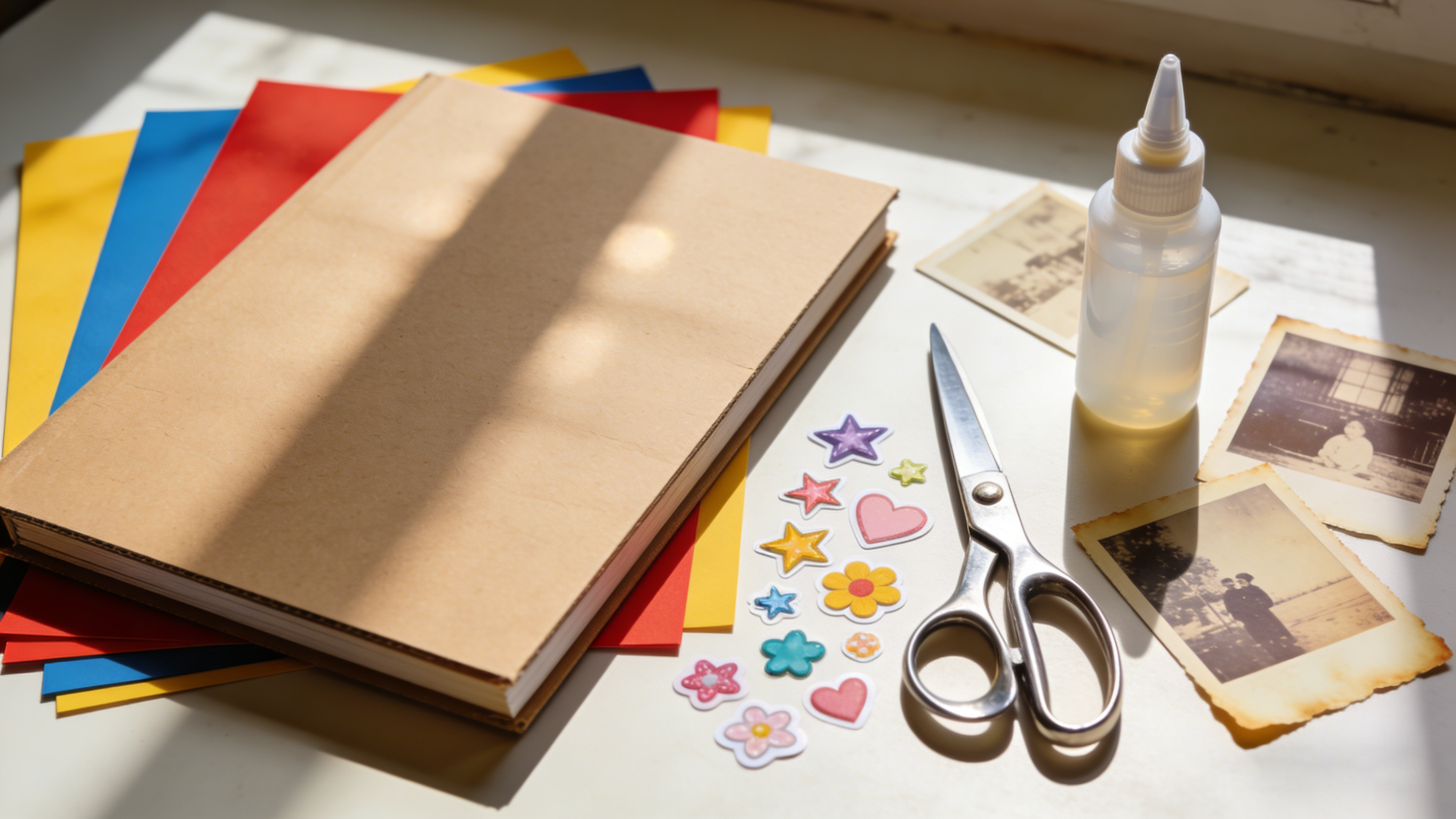
A blank page can sometimes be intimidating. If you are stuck, try organizing your diy paper photo album around a specific theme:
Chronological Growth: Perfect for baby albums, documenting month-by-month changes.
Color Stories: Group photos by dominant colors rather than dates for a visually striking, artistic book.
The "Day in the Life": Document a single, ordinary day from morning coffee to bedtime. These often become the most cherished memories as routines change over the years.
Letters to the Future: Leave blank pages or envelopes glued into the album where you can write letters to the subjects of the photos (or your future self).
1
In an era where digital files can be corrupted or passwords forgotten, a physical photo album remains the safest insurance for your memories. Creating a DIY paper photo album is more than an arts and crafts project; it is an act of preservation.
Whether you cut every sheet of paper yourself or start with a high-quality base from a trusted manufacturer like Boyili, the most important step is to begin. Print those photos, pick your paper, and start telling your story.


