
 English
 Views: 0 Author: Site Editor Publish Time: 2025-12-25 Origin: Site


We live in an era where our smartphones constantly alert us that our storage is full. We snap photos of everything—from elaborate weddings to our morning lattes—yet these images often disappear into the digital abyss, rarely seen again. There is a growing movement to return to the tangible, to hold a memory in your hands rather than swipe past it on a screen.
When you decide to curate those memories into a physical book, the materials you choose matter just as much as the photos themselves. The type of paper used in your album dictates not only how your photos look today, but how they will survive for the next generation. Will they yellow and fade? Will the adhesive damage the back of the print?
Choosing the right paper can feel overwhelming given the variety of options available, from traditional cardstock to modern self-adhesive solutions. This guide will walk you through the different types of photo album paper, specifically focusing on the versatility of sticky paper photo albums, to help you decide which material is best for preserving your cherished moments.
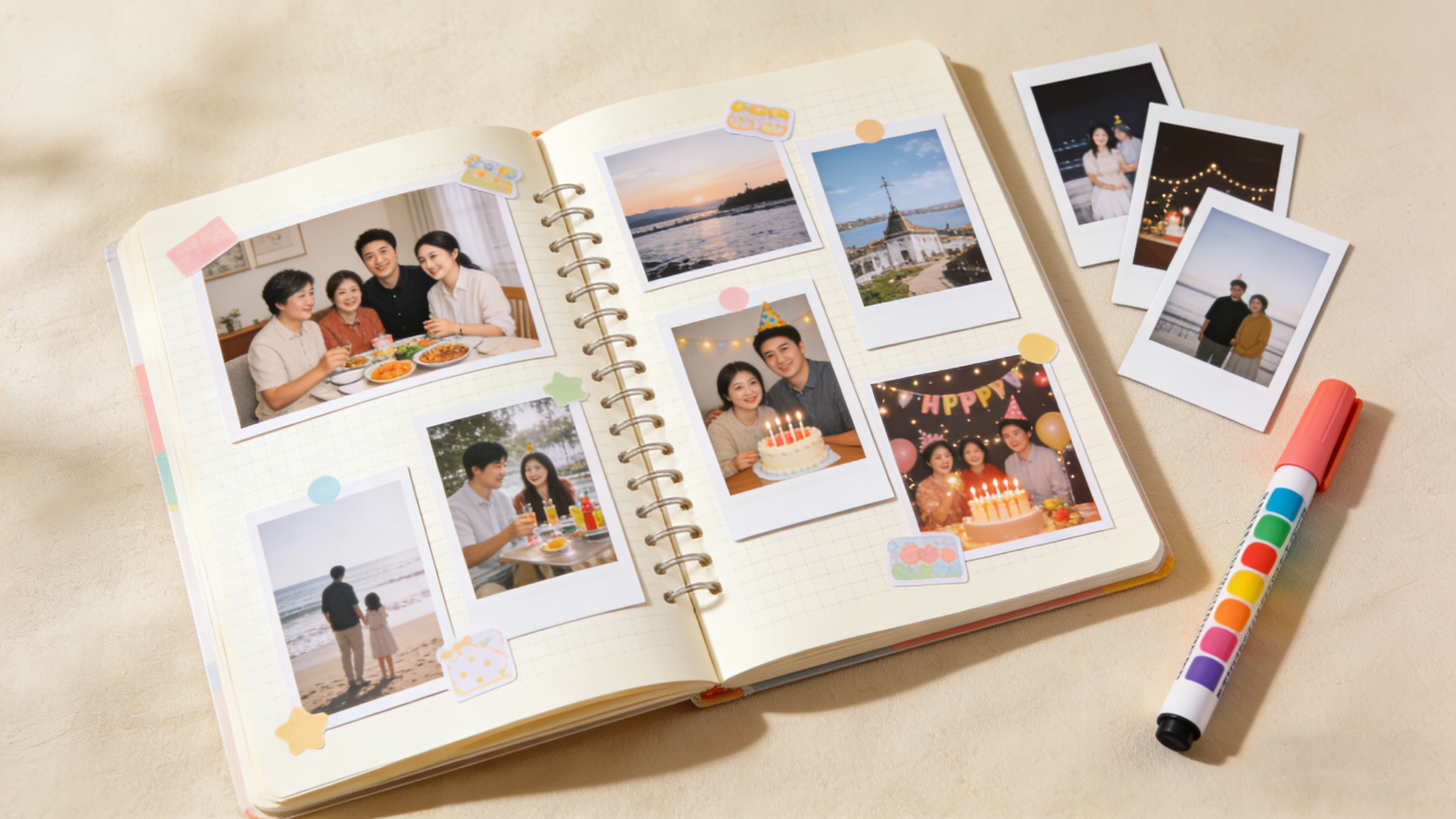
A sticky paper photo album—often referred to as a magnetic or self-adhesive album—is one of the most popular choices for modern scrapbooking and family albums. Despite the old-school name "magnetic," there are no magnets involved. Instead, the page consists of a rigid board coated with a gentle, pressure-sensitive adhesive. A clear plastic film overlays the page, sealing the photos in place.
Why it is a top contender:
The primary advantage here is flexibility. Unlike pocket albums that force you into a specific format (usually 4x6 horizontal), a sticky paper album allows you to arrange photos of varying sizes on a single page. You can mix a standard 4x6 print with a square Instax photo and a ticket stub from a concert, all on the same sheet. The clear film also provides an immediate layer of protection against dust and fingerprints.
This is the traditionalist’s choice. These albums feature thick, acid-free cardstock pages. They do not have adhesive; instead, you use photo corners or mounting squares to attach your pictures. These pages often feature glassine paper—a thin, translucent, and smooth paper that sits between the album pages to prevent photos from rubbing against each other or sticking together.
Why it is a top contender:
If you want a classic, high-end feel—perfect for wedding albums or guest books—this is often the preferred material. The glassine interleaving adds an element of elegance and offers excellent protection.
These are the standard albums found in most stores. The "paper" aspect is usually just the backing or a small area for writing memo notes, while the photos slip into pre-measured clear plastic pockets.
Why it is a top contender:
It is the easiest option for quickly organizing hundreds of photos. However, it offers zero creativity regarding layout.
Regardless of whether you choose sticky paper or cardstock, the chemical composition of the paper is the most important factor. You must look for "acid-free," "lignin-free," and "PVC-free" materials.
Standard paper contains acid that, over time, breaks down the chemicals in printed photographs. This causes the dreaded "yellowing" effect and makes the paper brittle. High-quality manufacturers, such as Guangdong Heshan Boyili Stationery Factory, prioritize the use of renewable feedstocks and acid-free materials to ensure that the albums serve as long-term archives rather than temporary storage.
To help you visualize which paper type suits your project, refer to the comparison table below.
Feature | Sticky Paper Photo Album | Cardstock (Traditional) | Slip-in Pocket Pages |
|---|---|---|---|
Creativity | High (Mix sizes and angles) | High (Full freedom) | Low (Fixed sizes) |
Ease of Use | Very Easy (Peel and stick) | Medium (Need glue/corners) | Easiest (Slide in) |
Protection | High (Covered by film) | Medium (Glassine helps) | High (Covered by plastic) |
Durability | Excellent (Photos stay put) | Good (Depends on mounting) | Good |
Best Use | Family, Travel, Baby Albums | Weddings, Portfolios | Bulk Storage |
For most users, the sticky paper photo album represents the perfect middle ground between the labor-intensive traditional scrapbook and the rigid slip-in album.
It allows for the storytelling aspect of scrapbooking without the mess of glue sticks. If you are creating a baby album, for example, you can include the hospital bracelet next to the newborn photo. If you are documenting a school year, you can include clippings from a report card alongside the class photo. The adhesive holds these odd-shaped items just as securely as standard glossy prints.
Furthermore, advancements in manufacturing have improved the quality of the adhesive used. Modern albums produced by reputable factories use formulas that hold photos securely but allow for repositioning if you make a mistake during the initial layout.
The quality of the paper is directly tied to the manufacturer. Not all sticky pages are created equal; poor-quality adhesive can dry out or become too aggressive, damaging photos upon removal.
Guangdong Heshan Boyili Stationery Factory stands out as a premier manufacturer in Southern China with over 30 years of experience in the paper product industry. Established in 2008 as an export-focused entity, they operate a 6000-square-meter production plant dedicated to fulfilling custom requirements.
When sourcing albums, particularly for retail or large-scale custom projects, partnering with an experienced factory like Boyili ensures:
Material Safety: They understand the importance of archival-quality, recycled, and safe materials.
Customization: Whether you need a cloth cover, a printed design, or specific binding (thread, spiral, or case bound), they have the machinery and expertise to execute it.
Efficiency: With a team capable of sampling within 10 working days and completing quotations within 24 to 48 hours, they support businesses in getting products to market faster.
From hardcover wedding albums to school yearbooks and baby sticky albums, their extensive product line covers the full spectrum of photographic preservation.
Yes, provided the album is "acid-free" and "PVC-free." Modern sticky albums use archival-safe adhesives that will not eat away at the back of your photographs. Always check the product specifications before purchasing.
You generally cannot write directly on the adhesive part of the page. However, many people write on small pieces of cardstock or paper notes and stick them under the plastic film alongside the photos.
A photo album is designed primarily to display images and usually involves protective sheets (film or glassine). A guest book typically features plain, heavyweight paper designed for writing, though guests can often attach instant photos to these pages using tape or glue dots.
Yes. Guangdong Heshan Boyili Stationery Factory specializes in OEM production. They can customize covers with cloth, PU leather, or paper, and apply finishes like gold foil stamping, embossing, or UV coating to showcase your brand logo.
The best paper for a photo album is one that encourages you to actually print your photos and organize them. For many, the sticky paper photo album wins this category by offering a blend of creative freedom and protection that other paper types cannot match.
However, the raw material matters. Your memories deserve a home that won't degrade over the decades. By choosing albums manufactured by experts like Guangdong Heshan Boyili Stationery Factory, you ensure that the paper holding your past is built to last well into the future. Whether you are a retailer looking for a reliable supplier or a business seeking custom branded stationery, choosing a factory with three decades of experience guarantees a product that honors the memories inside.


