
 English
 Views: 0 Author: Site Editor Publish Time: 2025-11-21 Origin: Site


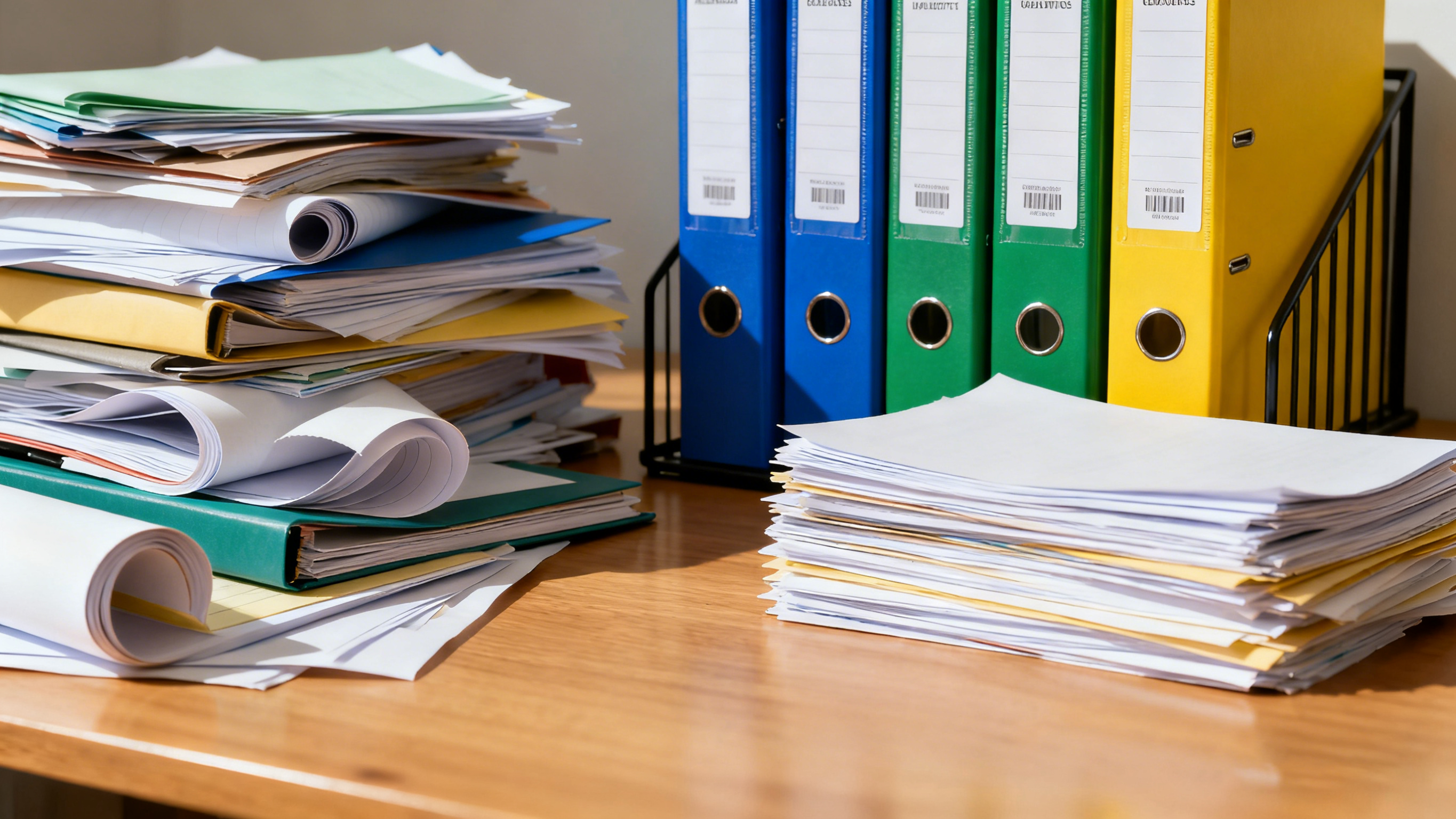
A single sheet of paper seems harmless. But pile fifty of them on your desk, mix in a few unpaid bills with your child’s artwork and that specialized medical form you need to sign, and suddenly you have a stress-inducing mountain. Despite the promise of a paperless society, physical documents have a way of sticking around. We still need hard copies of birth certificates, tax returns, car titles, and sentimental letters.
The problem isn’t usually the paper itself; it’s the lack of a home for it. When documents don't have a designated spot, they land on kitchen counters and dining tables, creating visual noise that distracts us from what actually matters.
This is where a reliable file folder paper organizer steps in. It is the bridge between a chaotic pile and a streamlined system. But grabbing the first plastic bin you see at the store often leads to more frustration. To truly conquer the clutter, you need to understand which type of organizer fits your workflow and how to set it up for long-term success.
A well-structured file folder paper organizer acts as your command center. It prevents late fees on lost bills, saves you hours of searching during tax season, and keeps your surfaces clear for actual work.
Not all organizers are created equal. The right choice depends entirely on the volume of paper you have and how often you need to access it.
This is the classic expandable solution. An accordion file folder paper organizer is usually segmented into 12 to 24 pockets and closes securely with a flap and elastic cord.
· Best for: Projects, tax documents for a specific year, or transporting documents between home and office.
· Pros: Portable, compact, and usually inexpensive.
· Cons: They have a fixed capacity. Once it’s full, it’s full. It can also be difficult to read the tabs if the folder is stuffed to capacity.
These are often tiered, open-faced organizers that sit right on your desk. They allow you to drop file folders in vertically so the tabs remain visible.
· Best for: "Active" files—things you need to touch daily or weekly, such as current project notes, bills to pay this week, or incoming mail.
· Pros: Immediate visual access. You don't have to open a drawer to get what you need.
· Cons: They take up desk space and don't offer protection from dust or spills.
A portable box, usually made of plastic or metal, designed to hold hanging file folders.
· Best for: General household filing (medical records, insurance policies, car maintenance logs).
· Pros: Highly customizable. You can add or remove folders as needed. It holds a significant amount of paper but is still portable enough to shove in a closet when guests come over.
· Cons: Bulky compared to an accordion folder.
The heavy-duty solution. While less common in modern home offices, a metal filing cabinet is the ultimate file folder paper organizer for high-volume needs.
· Best for: Small businesses or homeowners with decades of records to keep.
· Pros: Maximum capacity and durability.
· Cons: Heavy, immobile, and utilitarian in appearance.
Buying the organizer is the easy part. The challenge is building a system you will actually stick to. If your system is too complicated, you will abandon it within a month. Here is a straightforward approach to setting up your file folder paper organizer.
Before you organize, you must reduce. Gather every loose paper in your house into one giant pile. Go through it piece by piece. Be ruthless. Recycle the junk mail immediately. Shred old credit card offers. Only keep what is necessary.
Don’t get too granular too fast. Start with broad categories. Common groupings include:
· Financial: Bank statements, tax info, investments.
· Medical: Insurance EOBs, vaccination records, prescriptions.
· Household: Mortgage/lease, utilities, maintenance receipts.
· Personal: Identification, certifications, sentimental items.
· Auto: Title, registration, repair logs.
A file folder paper organizer is useless without clear labels. Handwriting them is fine, but a label maker provides a clean, uniform look that makes the system feel more official—and makes you more likely to respect it.
Place your tabs in a straight line rather than staggering them. While staggered tabs (left, center, right) are traditional, they force your eye to scan back and forth. Aligned tabs allow you to scan down a list quickly.
This is the secret to long-term maintenance. Do not mix your active papers with your archive papers.
· Active Papers: These go in a desktop sorter or the front of your file box. These are bills to pay, forms to sign, or invitations to upcoming events.
· Archive Papers: These go in your deep storage (the back of the box or the filing cabinet). These are tax returns from three years ago or the deed to your house.
The downfall of most organization attempts is maintenance. Paper enters our lives daily, so our system needs to handle that influx.
Adopt the "Touch It Once" rule. When you pick up a piece of mail, decide its fate immediately. Is it trash? Recycle it. Is it reference material? File it. Is it an action item? Put it in the "Active" folder. Never put it back on the pile to "deal with later."
Schedule a yearly purge. Tax season is a great time for this. When you are gathering your documents for the current year, look through the oldest files in your organizer. Do you still need that utility bill from 2018? Probably not. Shredding old documents frees up space and keeps your file folder paper organizer from bursting at the seams.
The best way is chronologically within categories. For example, inside your "Medical" folder, put the newest documents at the front. This ensures that the most relevant information is always accessible.
General rules suggest keeping tax returns for 3-7 years, while birth certificates, marriage licenses, and wills should be kept indefinitely. Utility bills can usually be discarded after one year (or immediately if you have digital access).
Plastic folders are more durable and resistant to tearing and moisture, making them better for files you handle often. Paper (manila) folders are cheaper and better for archival documents that just sit in a drawer.
Clutter is often just postponed decisions. By implementing a solid system with the right file folder paper organizer, you are making those decisions in advance. You are deciding that your peace of mind is worth more than a messy desk. Start small, categorize broadly, and enjoy the relief that comes with knowing exactly where everything is.


